Cut determines how beautifully a diamond interacts with light. It is not the shape, but the precision of its proportions and finishing. A well-cut diamond reflects light back to the eye, creating exceptional sparkle and brilliance, while a poorly cut stone may appear dull. In lab-grown diamonds especially, superior cut quality enhances their already high clarity and visual performance.

Color measures how white or colorless a diamond appears. Most diamonds look white, but some may carry subtle yellow or brown undertones. The color scale ranges from D to Z, where D is completely colorless and Z shows visible tint. Diamonds graded D to F are considered colorless, while G to J are near colorless and still appear fairly white in most jewellery settings.
Below are the different diamond color grades for reference:

Clarity describes the natural marks within a diamond. These include internal inclusions and surface blemishes formed during the stone’s growth. Clarity is graded from Flawless (FL) to Included (I), with common grades such as IF, VVS, VS, and SI indicating the size and visibility of these features. Most inclusions are not visible to the naked eye, meaning a diamond can appear perfectly clean in everyday wear.

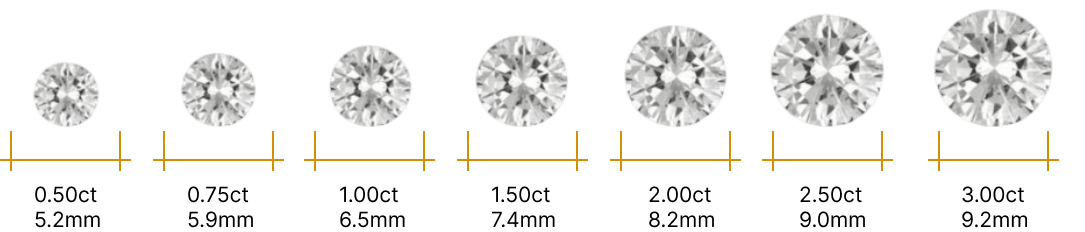
Carat weight measures how much a diamond weighs, not how large it appears. One carat equals 200 milligrams. As carat weight increases, the price often rises significantly because larger diamonds are rarer and require more resources to create. However, visual size can vary — two diamonds of the same carat weight may look different depending on their cut quality.
Below is a guide to understanding different carat weights and how they appear.
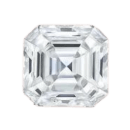 Asscher
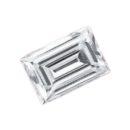 Baguette
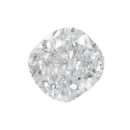 Cushion
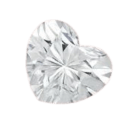 Heart
Heart
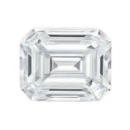 Emerald
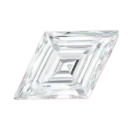 Lozenge
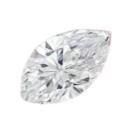 Marquise
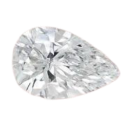 Pear
Pear
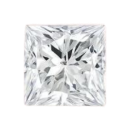 Princess
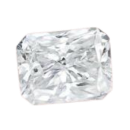 Radiant
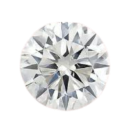 Round
Round
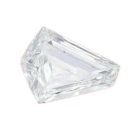 Shield
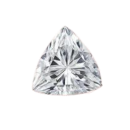 Trillion
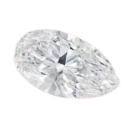 Oval
Oval
 100% Carbon Affordable 100% Conflict Free Improved Quality Eco-friendly 100% Carbon
 Expensive Ethical Concerns Variable Quality Environmental Impact